
Do you know the evolution of illustration techniques? Illustration is defined as: A decoration, interpretation or visual explanation of a text, concept or process, designed for integration in published media, such as posters, flyers, brochures, magazines, books, teaching materials, animations, video games and films. A visualization or a depiction made by an artist, such as a drawing, sketch, painting, photograph, or other kind of image of things seen, remembered or imagined, using a graphical representation.
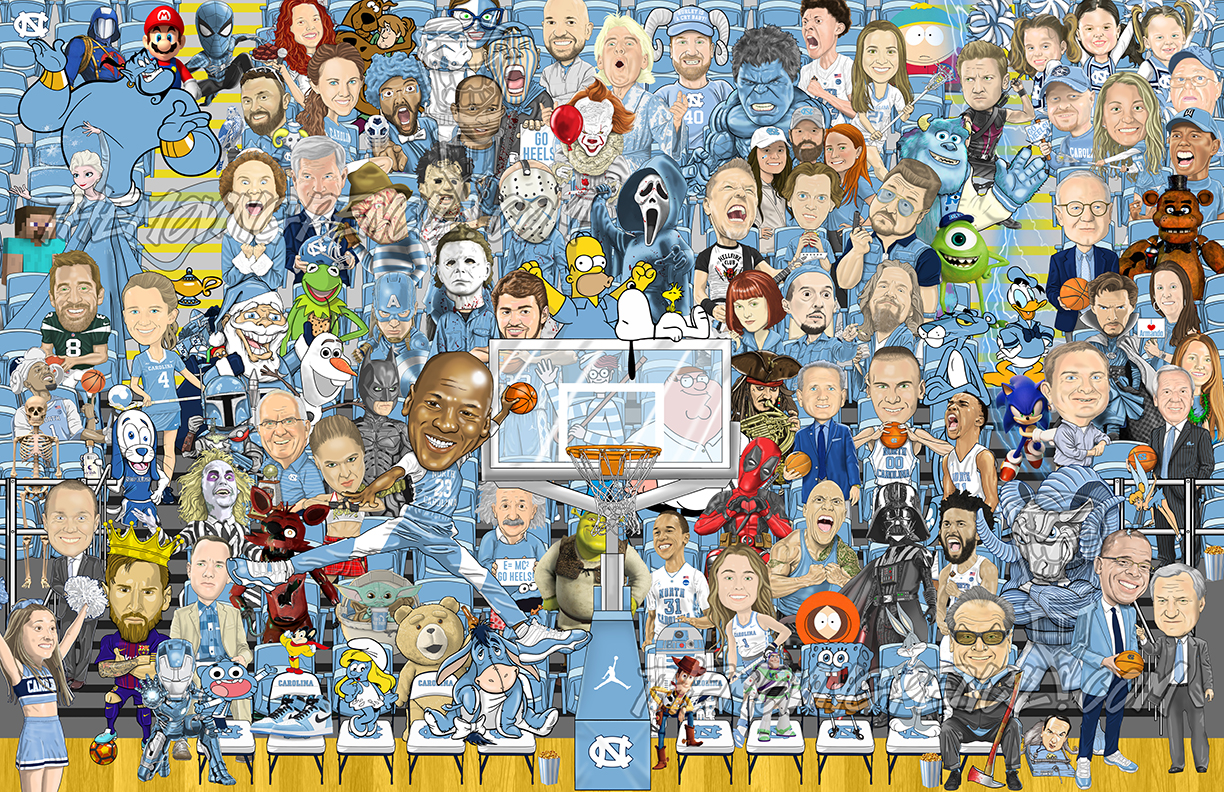
Man has been illustrating since almost the beginning of time, dating back to when cavemen first etched stories and symbols onto cave walls. These early drawings were more than simple sketches—they were a way to communicate, document events, celebrate victories, and preserve history long before written language existed. Over centuries, illustration evolved alongside civilization, becoming an essential form of storytelling used in books, advertisements, newspapers, religion, entertainment, and fine art. From ancient hieroglyphics and medieval manuscripts to comic books and modern branding, illustrations have always reflected the culture and creativity of their time.
Illustrations can be created using a wide variety of traditional mediums, each bringing its own unique texture and personality to the artwork. Artists have long relied on graphite pencils for detailed sketches, pen & ink for bold line work, watercolor for soft and fluid compositions, and acrylic or oil paints for rich color and depth. Other mediums such as charcoal, conté, pastel, and mixed media allow illustrators to experiment with contrast, shading, and texture in limitless ways. Every tool offers a different artistic voice, making illustration one of the most versatile art forms in existence.
As technology advanced, the world of illustration expanded into the digital realm. Today, artists create stunning works using computers, tablets, and digital drawing software that replicate traditional techniques while introducing entirely new possibilities. Digital illustration allows for faster editing, infinite color palettes, layered compositions, and seamless integration into websites, animation, marketing, and social media. What once required canvases and paintbrushes can now be accomplished with a stylus and screen, opening the door for artists around the world to create and share their work instantly.
In recent years, artificial intelligence has introduced yet another evolution in the art world. AI-generated illustrations can transform ideas into imagery within seconds, pushing creative boundaries and sparking conversations about the future of art and design. While technology continues to change the tools artists use, the heart of illustration remains the same: communicating ideas, emotions, and stories through visual creativity. Whether created with charcoal on paper or pixels on a screen, illustrations continue to inspire, entertain, and connect people across generations.
Please feel free to check out my illustrations which have been put into the following categories:
Caricatures: Boxing | Golf & Tennis | MLB | Movies & TV | NCAA | NBA | NFL | NHL | Soccer | WWE Illustrations: Custom | Horror Movies | Large Projects | Graphic Design | Man Cave Designs | Sports Rivalries | Nursery Room Decor

How do we put in a preorder for the UNC poster you just unveiled?